learn
How Nuclease Breaks Down DNA and RNA
A procurement-focused explanation of nuclease mechanism, process effects, and implementation considerations for controlled DNA and RNA reduction in industrial workflows.
A procurement-focused explanation of nuclease mechanism, process effects, and implementation considerations for controlled DNA and RNA reduction in industrial workflows.
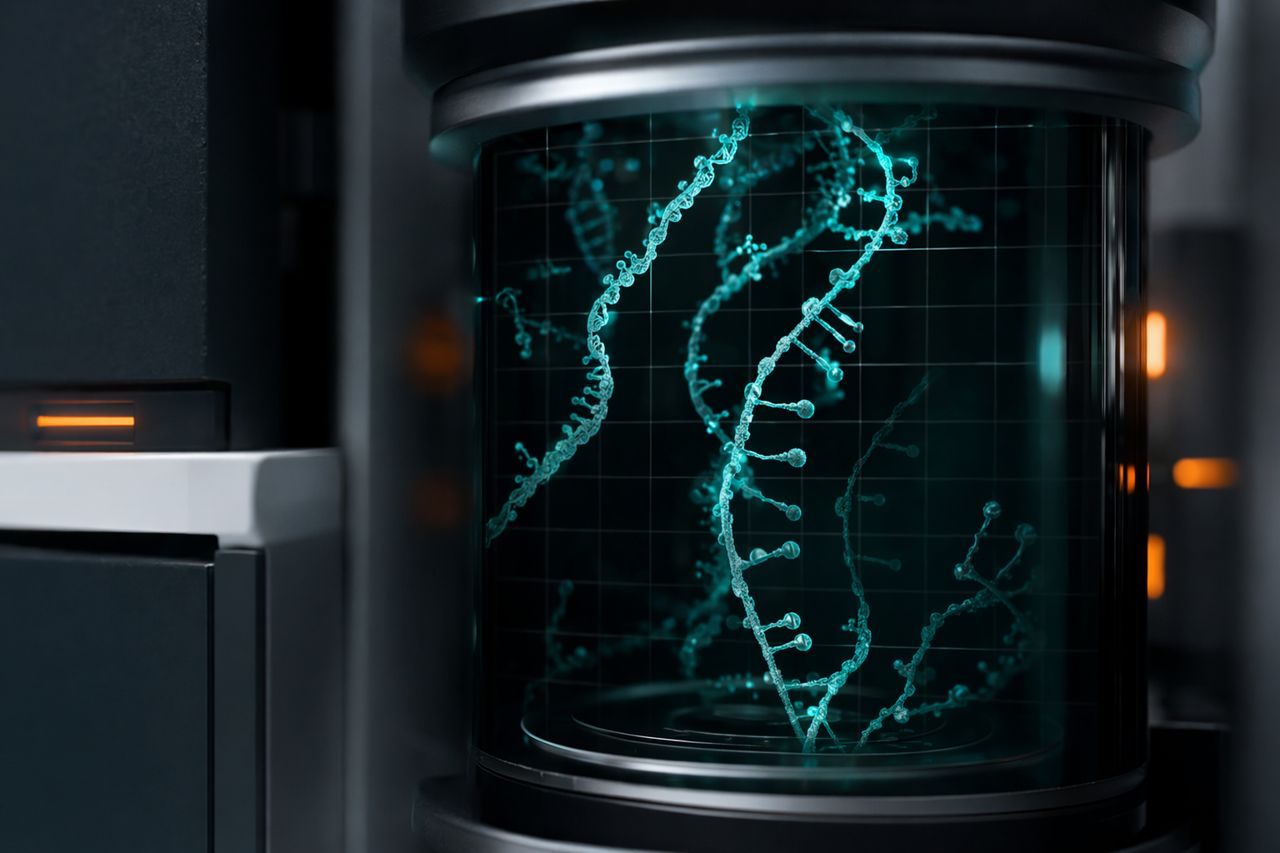
Nuclease is used when residual DNA or RNA is more than a trace impurity. In many industrial and bioprocessing workflows, long nucleic acid chains can increase viscosity, retain contaminants, interfere with clarification, and create downstream compatibility concerns. The operational value of nuclease is straightforward: it converts high-molecular-weight nucleic acids into smaller fragments that are easier to manage, separate, and reduce.
For B2B teams, the mechanism matters because it directly affects process design. Nuclease is not simply an additive; it is a kinetic processing tool. Its performance depends on access to nucleic acid substrates, matrix conditions, contact time, temperature window, and how the enzyme is removed or carried forward after treatment.
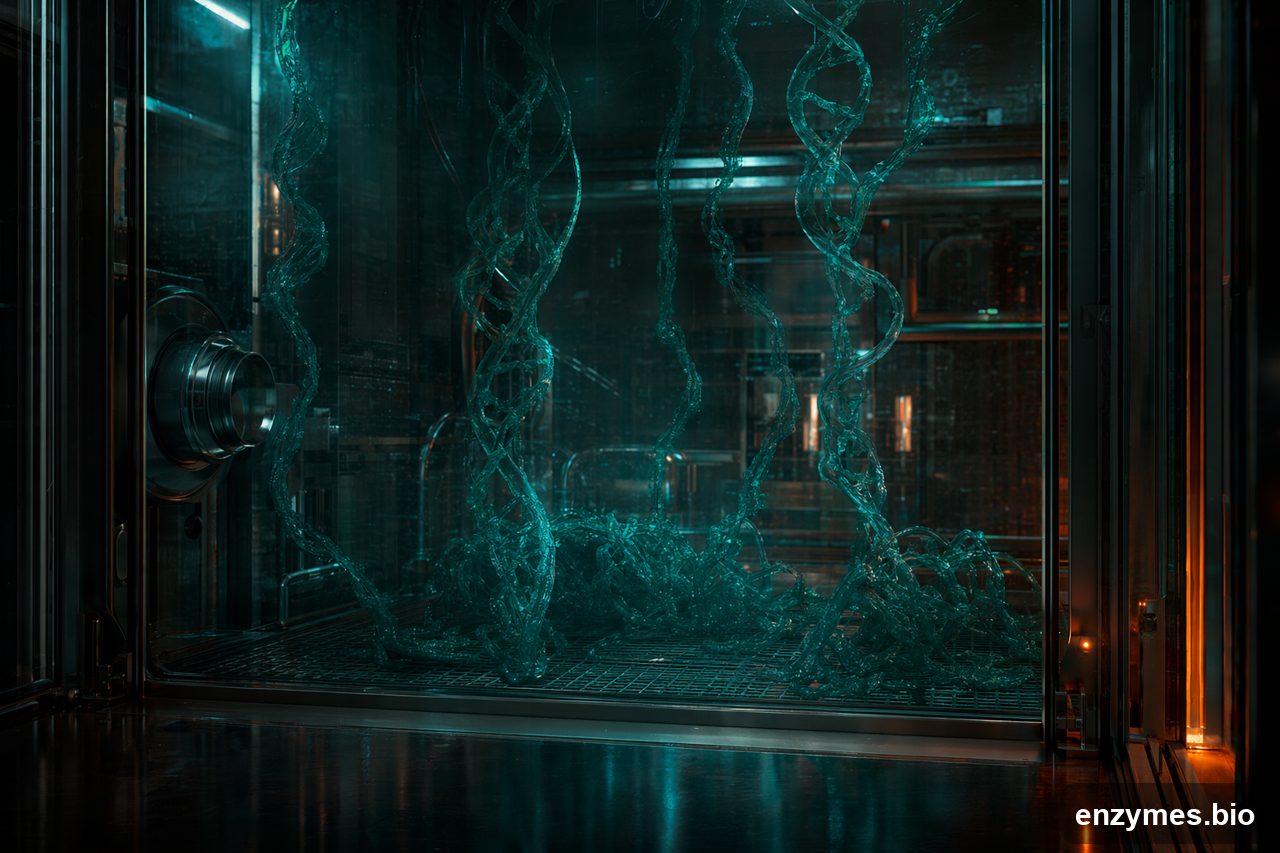
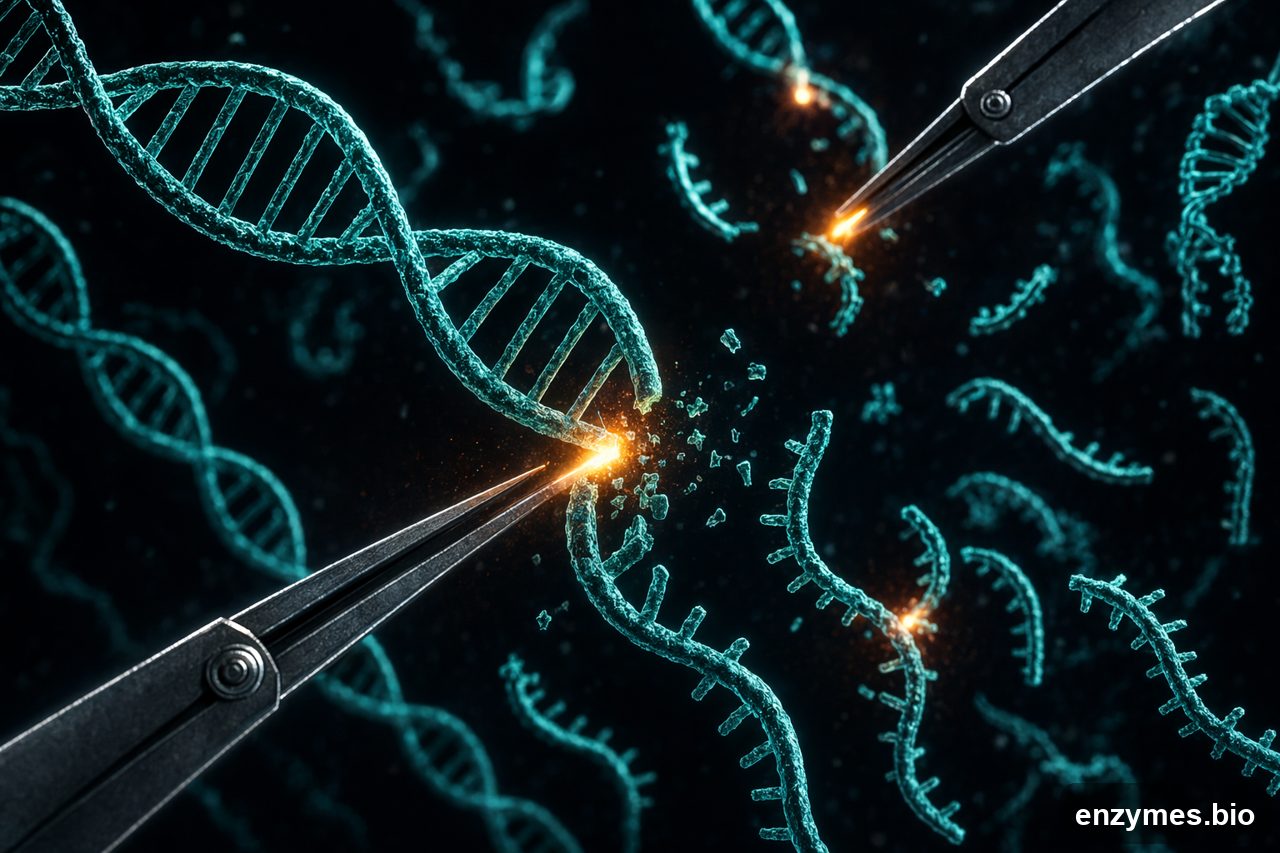
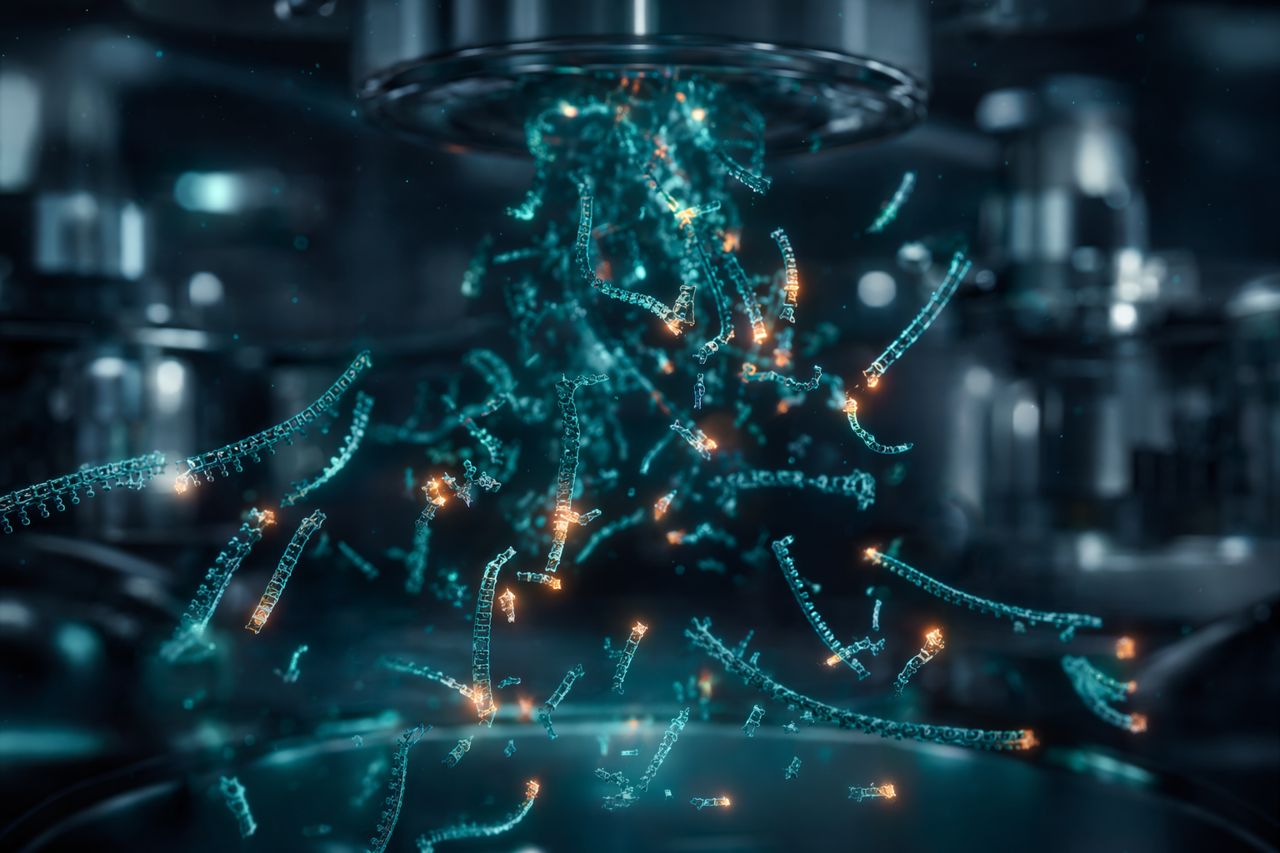
Nuclease catalyzes the hydrolysis of phosphodiester bonds in DNA and RNA. These bonds form the repeating backbone of nucleic acid strands. By cleaving them, nuclease reduces long polymeric chains into shorter oligonucleotide fragments and nucleotides.
The practical result is a shift from persistent, strand-like material to smaller soluble fragments that are typically easier to clear through downstream operations.
Nuclease works by contacting exposed DNA or RNA, binding transiently to accessible regions of the strand, and catalyzing bond cleavage. The enzyme does not need to remain attached after the reaction. It acts repeatedly, cutting available nucleic acid chains into progressively shorter fragments as conditions allow.
A simplified sequence looks like this:
This is why nuclease performance is not determined by enzyme identity alone. It is shaped by the full operating environment.
DNA and RNA differ structurally, but both rely on phosphodiester-linked backbones. Nuclease selection and implementation should account for whether the process contains DNA, RNA, or a mixed nucleic acid load.
In industrial workflows, the target is usually not academic completeness. The goal is practical reduction to a level compatible with the next unit operation, quality expectation, or product specification.
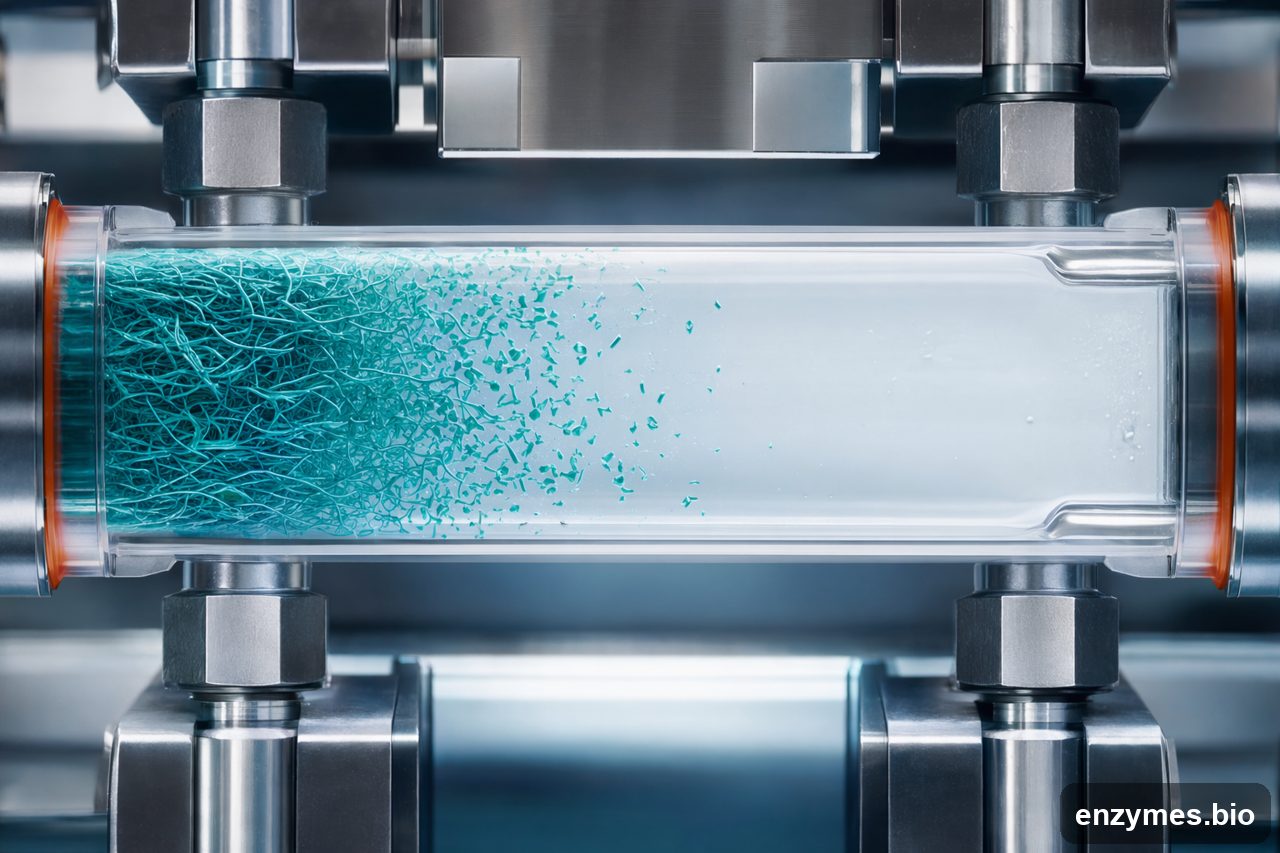
High-molecular-weight DNA and RNA can behave like invisible process drag. They may not be visually obvious, yet they can affect how a batch moves, filters, separates, or polishes.
Common process effects include:
Nuclease helps by changing the physical profile of the nucleic acid load before those effects become limiting.
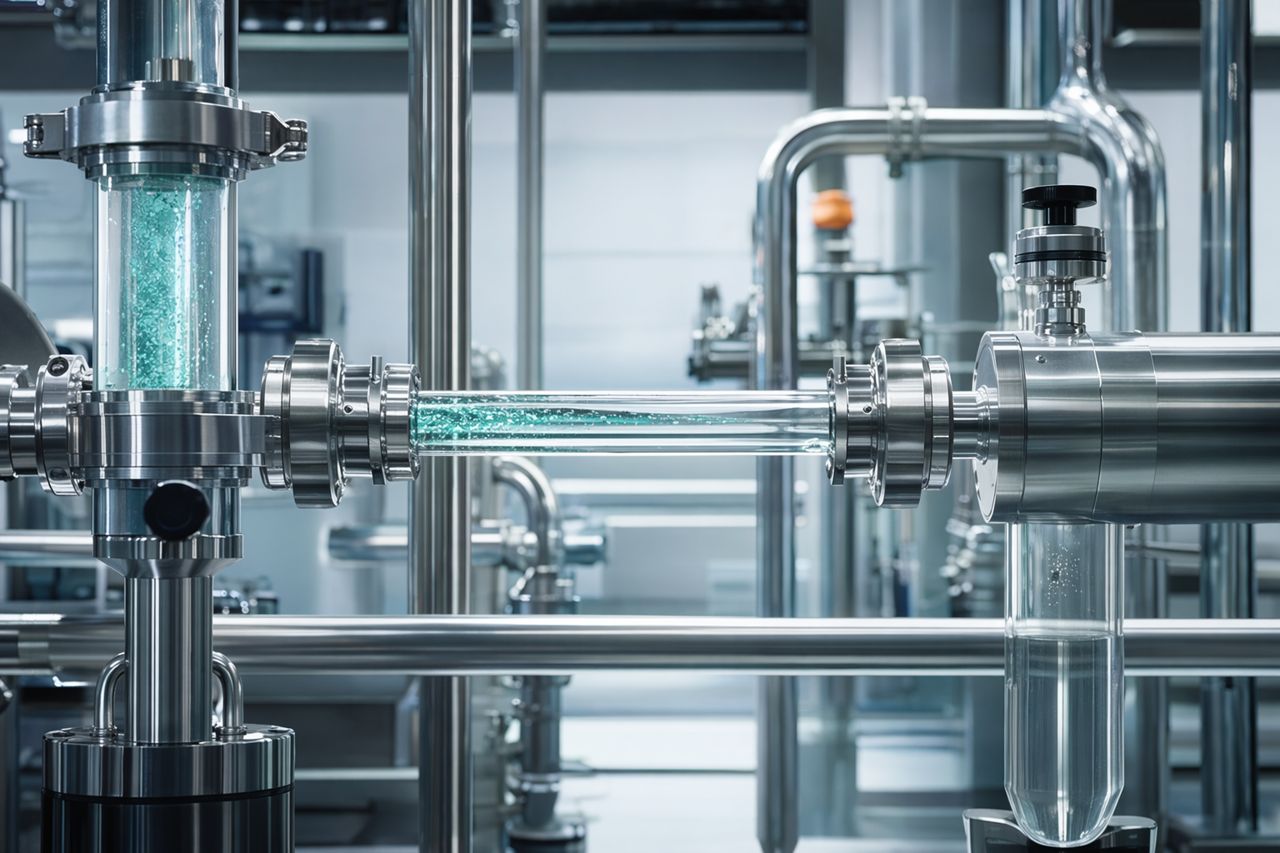
Nuclease treatment may be evaluated in workflows involving cell lysis, extract conditioning, fermentation harvest handling, recombinant protein production, viral vector-related processing, vaccine intermediate preparation, diagnostic reagent production, or other manufacturing streams where residual nucleic acids must be reduced.
Typical decision points include:
The best placement depends on where nucleic acids are most accessible and where reduction delivers the greatest process advantage.
Nuclease activity in real production matrices is affected by multiple variables. Procurement and process teams should evaluate the enzyme as part of the workflow, not in isolation.
Key considerations include:
A controlled nuclease step is defined, repeatable, and compatible with downstream unit operations. It should not create a new burden while solving the nucleic acid problem.
For manufacturing teams, a robust implementation plan usually defines:
A nuclease purchase should support both technical fit and supply confidence. Before sourcing, align on the practical questions that affect scale-up and repeat ordering.
Ask:
Strandfall positions nuclease as a process-control material, not a commodity line item. The enzyme must arrive with predictable handling characteristics, clear documentation, and lot-to-lot expectations that support repeat industrial use.
For buyers and process teams, that means focusing on:
Nuclease breaks down DNA and RNA by hydrolyzing phosphodiester bonds in the nucleic acid backbone. That cleavage shortens long strands into smaller fragments, helping reduce viscosity, improve clarification behavior, and support downstream processing. The best results come from matching the enzyme, process matrix, contact conditions, and removal strategy to the workflow.
Tell us your application, target nucleic acid burden, process stage, volume range, and documentation requirements. Strandfall will respond with pricing and technical fit guidance for your nuclease workflow.
Tell us your application and volume — we reply with pricing, specs, and lead time.