learn
Why Nucleic Acids Increase Lysate Viscosity | Strandfall Nuclease
Learn why DNA and RNA make lysates thick, stringy, and difficult to clarify, and how nuclease treatment can improve flow, filtration, and downstream compatibility.
Learn why DNA and RNA make lysates thick, stringy, and difficult to clarify, and how nuclease treatment can improve flow, filtration, and downstream compatibility.
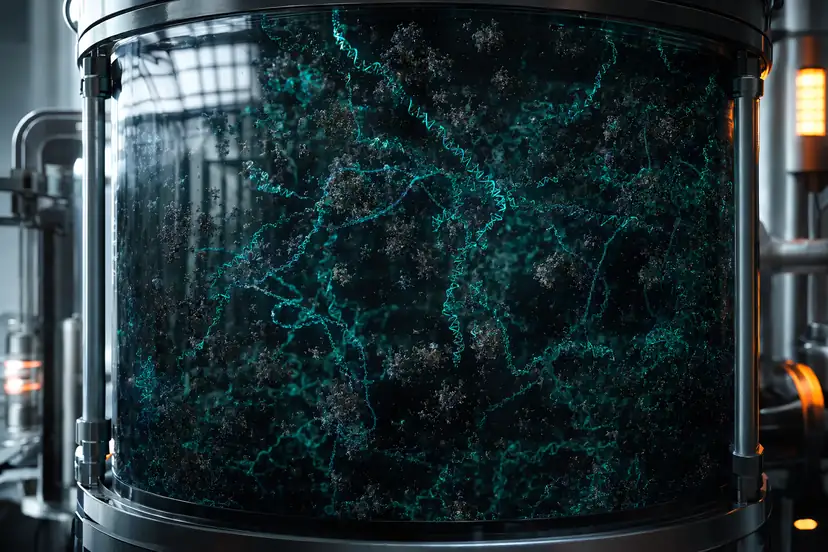
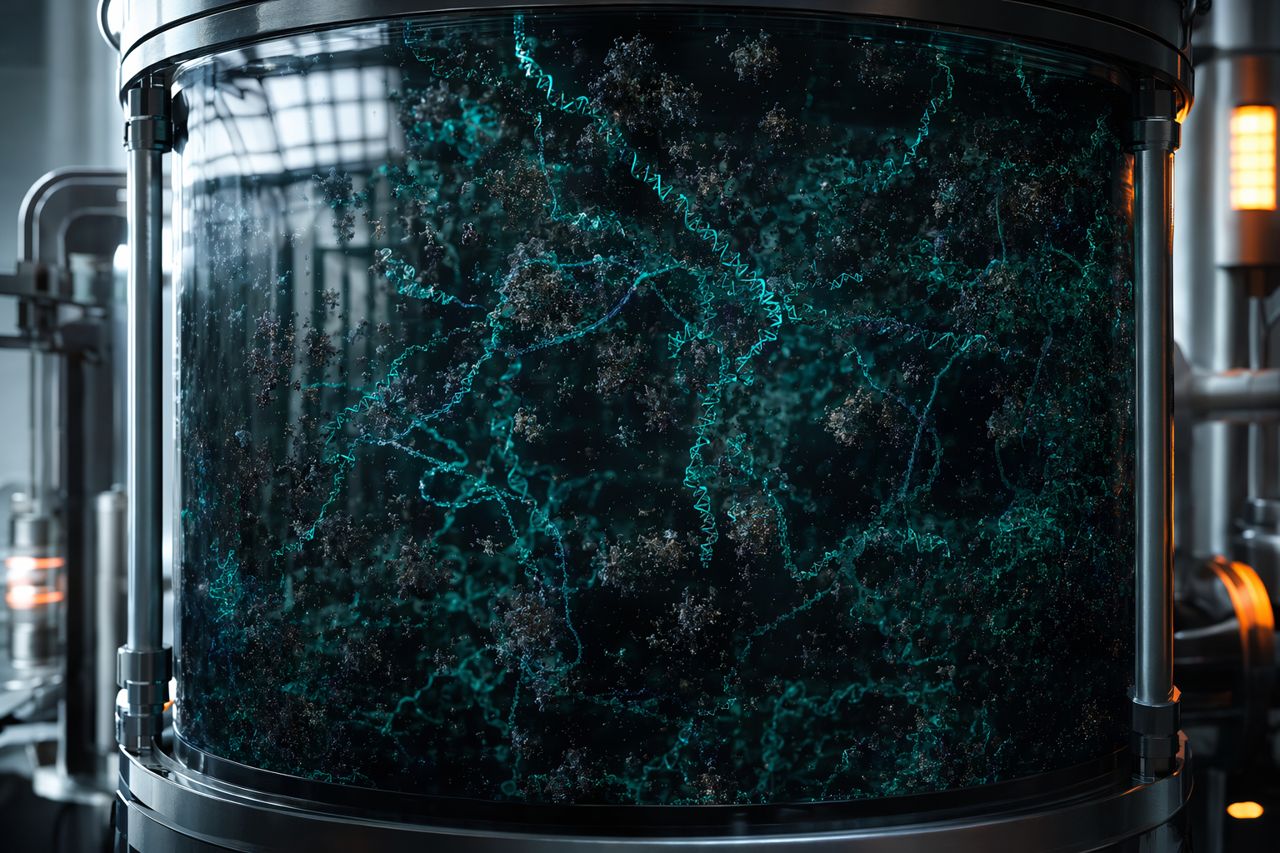
When cells are disrupted, DNA and RNA are released into a crowded mixture of proteins, membranes, salts, carbohydrates, host-cell debris, and product. Those nucleic acids are not passive contaminants. Long DNA and RNA strands can span large distances relative to other lysate components, forming an elastic, tangled network that holds water and traps suspended solids.
The result is familiar to process teams: lysate that pours slowly, strings from pipette tips, resists mixing, overloads clarification equipment, and behaves differently from one lot to the next.
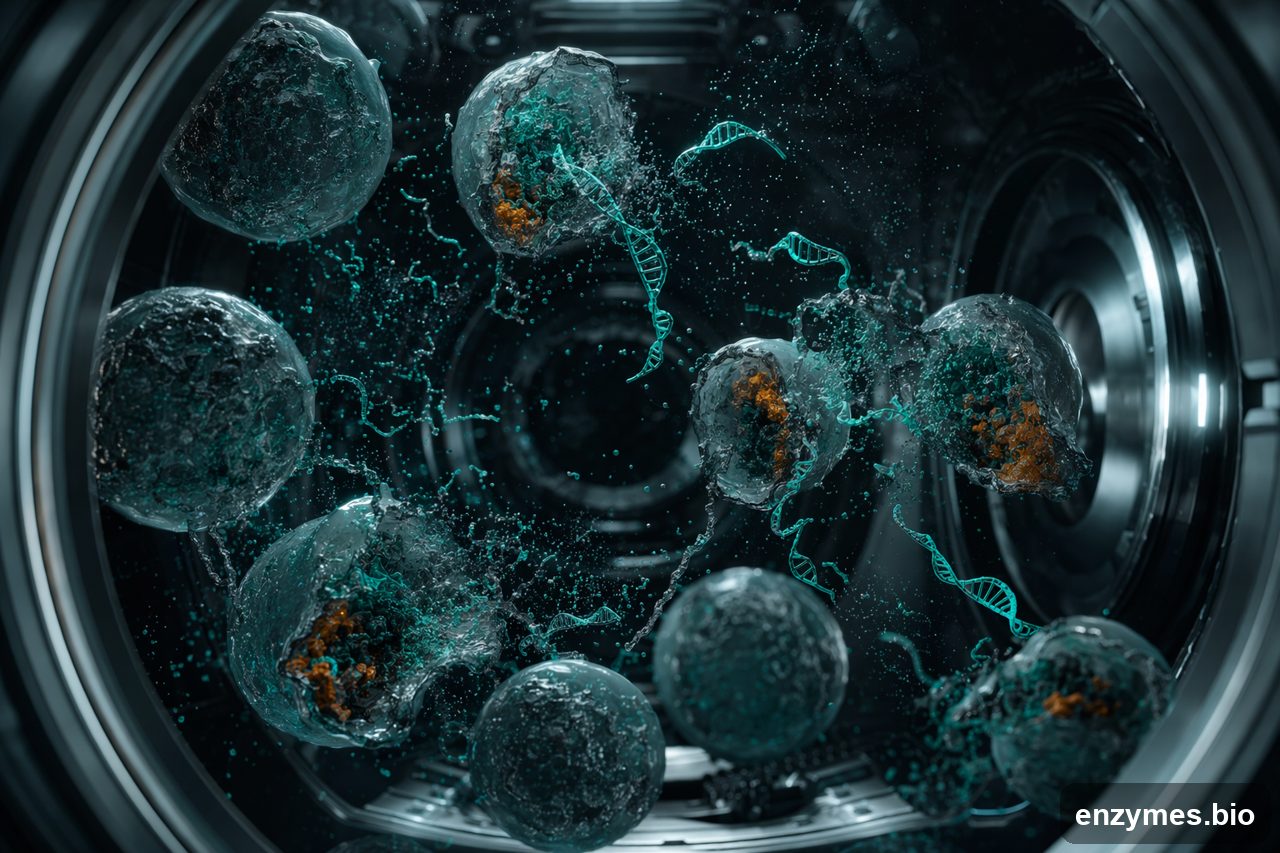
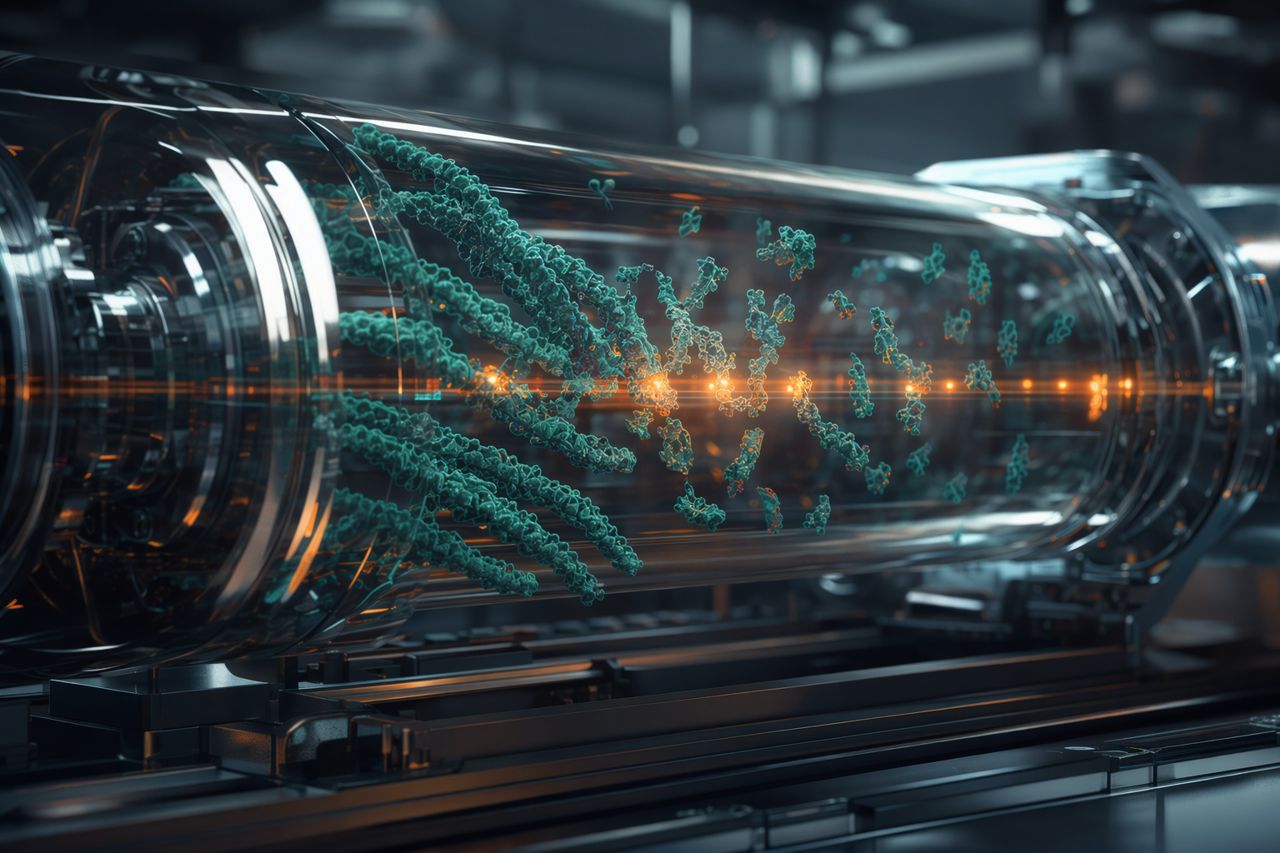
Strandfall nuclease is used to reduce that network at the source. By fragmenting DNA and RNA into shorter pieces, it helps convert a thick lysate into a more manageable process fluid before clarification and downstream processing.
Genomic DNA and high-molecular-weight RNA can behave like process-scale polymers. After lysis, they extend through the liquid phase and physically entangle with one another. This increases apparent viscosity and creates stringiness even when total solids are not unusually high.
In practical terms, the lysate may look partially clarified but still move like a gel-like fluid.
DNA and RNA carry charge and interact with proteins, membrane fragments, and other cell-derived debris. This can stabilize suspended material and slow settling or phase separation. The process impact is not limited to thickness; it can also affect particle behavior, turbidity, and filter loading.
Aggressive mixing or pumping can break some structures, but shear alone is often inconsistent. It may also create smaller debris that is harder to remove. If nucleic acids remain long enough to maintain an elastic network, the lysate can continue to foul filters and resist clarification.
High-cell-density processes, strong mechanical lysis, freeze-thaw disruption, and certain microbial or mammalian cell systems can all release nucleic acids rapidly. Buffer composition, salt level, pH range, product sensitivity, and hold time can influence how severe the viscosity issue becomes.
Teams often suspect nucleic-acid-driven viscosity when they see:
These symptoms do not prove nucleic acids are the only issue, but they are a strong signal that nuclease treatment should be evaluated.
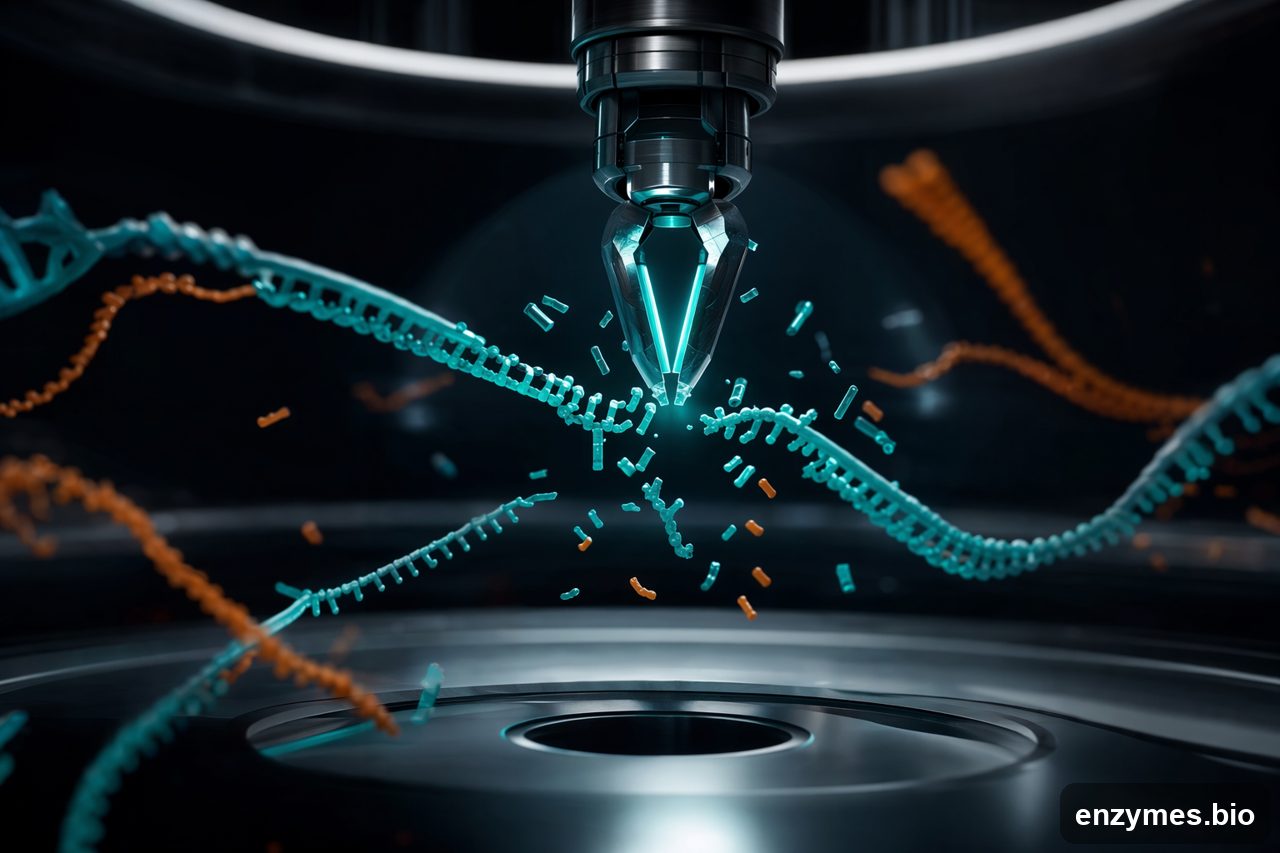
Nuclease acts by cleaving DNA and RNA strands into smaller fragments. Once the long-chain network is broken, the lysate typically becomes less elastic and easier to move through standard process steps.
The operational outcome is the important part:
For many processes, nuclease treatment is not about making the lysate visually perfect. It is about creating a controlled process window so the next operation receives a fluid it can handle.
Nuclease is typically considered shortly after lysis, before the process becomes constrained by viscosity or solids handling. Common evaluation points include:
Post-lysis viscosity reduction
Used after cells are opened to reduce nucleic-acid chain length before clarification.
Pre-centrifugation conditioning
Helps create a more uniform feed for solid-liquid separation.
Pre-filtration conditioning
Helps reduce the nucleic-acid contribution to filter loading and pressure rise.
Before downstream capture or concentration
Helps reduce nucleic-acid burden that may interfere with later process steps.
The best point of addition depends on your lysis method, product stability, impurity targets, and downstream sequence.
A useful nuclease discussion should focus on fit, not academic detail. When evaluating supply, align on the following:
This is where a controlled nuclease supply matters. The enzyme is not just a reagent; it becomes a process aid that influences yield protection, cycle time, and batch-to-batch confidence.
High viscosity creates hidden costs. It slows batch movement, increases operator intervention, complicates sampling, and makes equipment performance harder to predict. If lysate quality varies, downstream teams may compensate with longer holds, additional filtration area, or conservative process settings.
Reducing nucleic-acid-driven viscosity can help stabilize the front end of the process. Better fluid handling upstream often translates into more predictable clarification, cleaner feeds, and fewer surprises later in the manufacturing train.
Before requesting pricing, gather the following details if available:
You do not need a finished specification to start the conversation. A clear process description is enough to identify the right product format and evaluation plan.
If nucleic acids are limiting lysate handling, Strandfall can help you evaluate nuclease supply for controlled viscosity reduction and downstream compatibility.
Tell us your application and volume — we reply with pricing, specs, and lead time.